10 Morning Yoga Poses to Start Your Day with Energy
Starting your morning with yoga is one of the best ways to awaken your body, clear your mind, and prepare yourself for a productive day. Just 10–15 minutes of yoga can improve blood circulation, increase flexibility, reduce stress, and provide natural energy without relying on caffeine.
At YogaDaily, we encourage practitioners of all levels to build a consistent morning yoga routine. These beginner-friendly poses will help you feel energized, focused, and ready to take on the day.
Why Practice Yoga in the Morning?
Morning yoga offers several benefits:
Increases energy levels naturally
Improves flexibility and mobility
Enhances mental clarity and focus
Boosts circulation
Reduces morning stiffness
Creates a positive mindset for the day
Even a short yoga session can transform your mornings and improve overall well-being.
. Mountain Pose (Tadasana)
Mountain Pose helps improve posture and creates awareness of your breath and body alignment.
How to Do It:
Stand tall with feet together.
Relax your shoulders.
Keep your spine straight.
Take slow, deep breaths.
Benefits:
Improves posture
Enhances balance
Increases focus
2. Upward Salute (Urdhva Hastasana)
This gentle stretch awakens the entire body and improves circulation.
How to Do It:
Raise both arms overhead.
Stretch upward.
Slightly arch your back.
Breathe deeply.
Benefits:
Energizes the body
Improves flexibility
Opens the chest and shoulders
3. Standing Forward Fold (Uttanasana)
A refreshing pose that stretches the back and hamstrings while increasing blood flow to the brain.
How to Do It:
Bend forward from the hips.
Let your head hang naturally.
Keep knees slightly bent if needed.
Benefits:
Relieves tension
Improves flexibility
Refreshes the mind
4. Cat-Cow Stretch (Marjaryasana-Bitilasana)
This dynamic movement warms up the spine and improves mobility.
How to Do It:
Start on hands and knees.
Inhale and arch your back (Cow Pose).
Exhale and round your spine (Cat Pose).
Repeat for 5–10 breaths.
Benefits:
Increases spinal flexibility
Relieves stiffness
Improves posture
5. Downward Facing Dog (Adho Mukha Svanasana)
One of the most popular yoga poses for full-body stretching and energy.
How to Do It:
Lift your hips upward.
Form an inverted V-shape.
Press heels toward the floor.
Benefits:
Strengthens muscles
Improves circulation
Energizes the body
6. Cobra Pose (Bhujangasana)
Cobra Pose gently awakens the spine and opens the chest.
How to Do It:
Lie on your stomach.
Place palms under shoulders.
Lift your chest while keeping elbows slightly bent.
Benefits:
Strengthens the back
Improves posture
Opens the lungs
7. Warrior I (Virabhadrasana I)
Warrior I builds confidence, strength, and stability.
How to Do It:
Step one foot back.
Bend the front knee.
Raise arms overhead.
Benefits:
Strengthens legs
Improves balance
Builds endurance
8. Triangle Pose (Trikonasana)
A powerful standing pose that stretches and strengthens the body.
How to Do It:
Spread your feet wide.
Extend one arm downward.
Raise the opposite arm upward.
Benefits:
Improves flexibility
Strengthens legs
Opens the chest
9. Child’s Pose (Balasana)
Child’s Pose provides relaxation while gently stretching the body.
How to Do It:
Sit back on your heels.
Extend your arms forward.
Rest your forehead on the mat.
Benefits:
Calms the mind
Relieves stress
Stretches the back
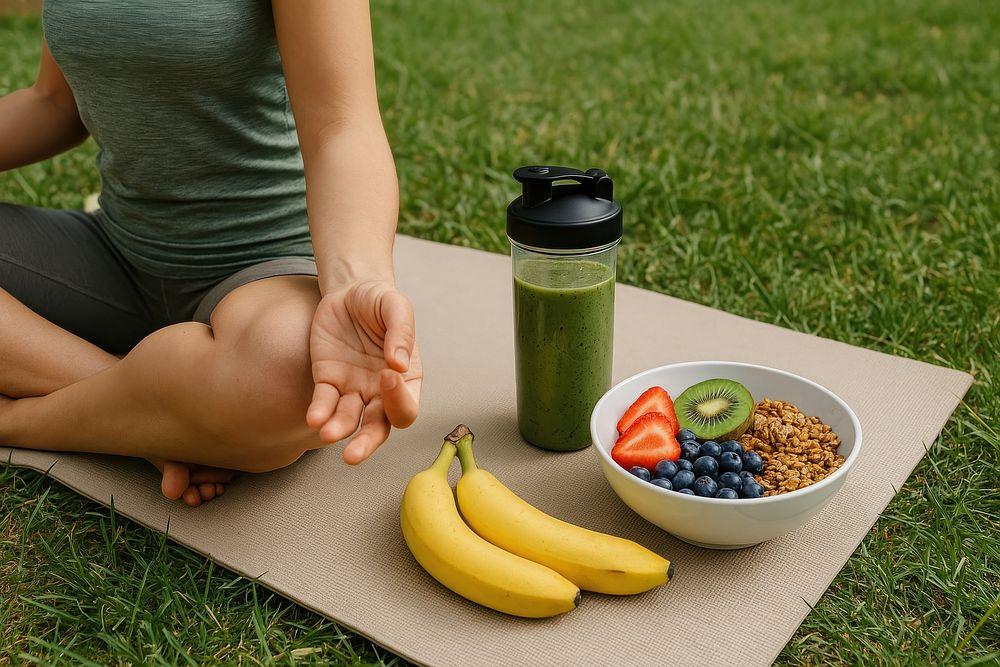
10. Seated Meditation Pose
End your morning yoga session with mindful breathing and meditation.
The Best Food to Eat Before and After Yoga: A Complete Nutrition Guide
Yoga is more than just physical movement—it’s a holistic practice that connects the body, mind, and breath. While many practitioners focus on poses, breathing techniques, and meditation, nutrition plays an equally important role in enhancing yoga performance and recovery.
At YogaDaily, we believe that the right food choices can help you maintain energy, improve focus, prevent fatigue, and maximize the benefits of every yoga session. Whether you’re practicing gentle morning stretches, power yoga, or advanced asanas, understanding what to eat before and after yoga can significantly impact your overall experience.
Why Nutrition Matters for Yoga Practitioners
Your body requires fuel to perform yoga efficiently. Eating the right foods before a session provides sustainable energy, while post-yoga nutrition helps repair muscles, replenish glycogen stores, and support overall recovery.
Benefits of proper yoga nutrition include:
Improved energy levels
Enhanced concentration and mindfulness
Better endurance during practice
Faster muscle recovery
Reduced risk of dizziness and fatigue
Improved flexibility and performance
What to Eat Before Yoga
Eating before yoga helps maintain energy levels and prevents weakness during practice. However, timing and food selection are crucial.
Best Time to Eat Before Yoga
Full meal: 2–3 hours before yoga
Light snack: 30–60 minutes before yoga
Hydration: Drink water throughout the day
Avoid heavy, oily, spicy, or overly processed foods before practice as they can cause discomfort and sluggishness.
1. Bananas
Bananas are one of the best pre-yoga snacks because they are rich in natural carbohydrates and potassium.
Benefits:
Quick energy source
Supports muscle function
Helps prevent cramps
Easy to digest
Best for: Morning yoga sessions
2. Oatmeal with Fruits
Oatmeal provides slow-releasing carbohydrates that keep energy levels stable throughout your practice.
Benefits:
Long-lasting energy
Rich in fiber
Supports digestion
Keeps you full without feeling heavy
Add berries, bananas, or apples for additional vitamins and antioxidants.
3. Smoothies
A nutrient-rich smoothie is an excellent choice before yoga.
Healthy Smoothie Ingredients:
Banana
Almond milk
Spinach
Chia seeds
Berries
Benefits:
Easily digestible
Hydrating
Packed with nutrients
Provides natural energy
4. Greek Yogurt with Fruits
Greek yogurt offers a combination of protein and carbohydrates that can sustain energy levels during yoga.
Benefits:
Supports muscle health
Easy digestion
High protein content
Keeps hunger away
Choose unsweetened yogurt for maximum benefits.
5. Nuts and Seeds
Almonds, walnuts, chia seeds, and pumpkin seeds provide healthy fats and sustained energy.
Benefits:
Rich in healthy fats
Provides essential minerals
Supports brain function
Enhances satiety
Consume in moderation before yoga.
Foods to Avoid Before Yoga
Certain foods may interfere with your practice and cause discomfort.
Avoid:
Fried foods
Fast food
Sugary snacks
Carbonated beverages
Excessive caffeine
Heavy dairy products
These foods can lead to bloating, sluggishness, and reduced flexibility during yoga sessions.
What to Eat After Yoga
After yoga, your body needs nutrients to recover, repair muscles, and restore energy levels.
The ideal post-yoga meal should include:
Protein
Healthy carbohydrates
Healthy fats
Vitamins and minerals
Plenty of water
1. Protein Smoothie
A protein smoothie helps repair muscles and replenish nutrients.
Recommended Ingredients:
Protein powder
Banana
Almond milk
Peanut butter
Spinach
Benefits:
Supports muscle recovery
Refuels the body
Easy digestion
2. Quinoa Bowl
Quinoa is a complete protein and excellent post-yoga meal option.
Add:
Avocado
Chickpeas
Vegetables
Olive oil dressing
Benefits:
High protein content
Rich in fiber
Supports recovery
3. Fresh Fruits
Fruits help replenish natural sugars and provide hydration after yoga.
Best options include:
Watermelon
Orange
Pineapple
Mango
Papaya
Benefits:
Rich in antioxidants
Supports hydration
Restores energy
4. Eggs and Whole Grain Toast
For those who consume eggs, this combination offers an ideal balance of protein and carbohydrates.
Benefits:
Muscle recovery
Sustained energy
Essential nutrients
5. Lentils and Brown Rice
This traditional meal provides a powerful combination of plant-based protein and complex carbohydrates.
Benefits:
Supports muscle repair
Keeps energy stable
Highly nutritious
Hydration Tips for Yoga Practitioners
Hydration is just as important as nutrition.
Follow These Guidelines:
Drink water upon waking.
Stay hydrated throughout the day.
Drink small amounts before yoga.
Rehydrate after practice.
Include coconut water occasionally for natural electrolytes.
Proper hydration helps improve flexibility, endurance, and overall performance.
Sample YogaDaily Nutrition Plan
Before Morning Yoga
1 Banana
Handful of almonds
Water
After Morning Yoga
Protein smoothie
Fresh fruit
Before Evening Yoga
Oatmeal with berries
Green tea
After Evening Yoga
Quinoa bowl or lentils with brown rice
Mixed vegetables
This balanced approach helps maintain energy while supporting recovery and long-term wellness.
Common Mistakes to Avoid
Many yoga practitioners unknowingly make nutritional mistakes that affect their performance.
Avoid:
Practicing yoga immediately after a large meal.
Skipping meals entirely.
Drinking too little water.
Consuming excessive sugar.
Ignoring post-yoga recovery nutrition.
Small dietary improvements can lead to noticeable gains in energy, flexibility, and overall well-being.
How YogaDaily Supports a Healthy Lifestyle
At YogaDaily, we emphasize that yoga and nutrition work together to create a healthier, more balanced life. By combining mindful eating habits with a consistent yoga practice, you can improve physical strength, mental clarity, flexibility, and overall wellness.
Whether you’re a beginner or an experienced yogi, making smart nutritional choices before and after yoga can help you achieve better results and enjoy every practice session to the fullest.
Final Thoughts
The food you eat before and after yoga directly impacts your energy, focus, recovery, and overall performance. Choosing nutrient-rich foods such as bananas, oatmeal, smoothies, fruits, quinoa, and protein-rich meals can help you maximize the benefits of your yoga practice.
Remember, yoga is about balance—and that balance extends beyond the mat to your daily nutrition choices. Follow these healthy eating strategies from YogaDaily to nourish your body, support recovery, and elevate your yoga journey.
FAQ Schema Questions
What is the best food to eat before yoga?
Bananas, oatmeal, smoothies, Greek yogurt, and nuts are excellent pre-yoga options because they provide steady energy without making you feel heavy.
How long before yoga should I eat?
Eat a full meal 2–3 hours before yoga or a light snack 30–60 minutes before your session.
What should I eat after yoga?
Choose meals rich in protein and complex carbohydrates such as quinoa, lentils, eggs, smoothies, fruits, or whole grains.
Is it okay to practice yoga on an empty stomach?
Yes, many people practice yoga on an empty stomach, especially in the morning. If you feel weak, eat a light snack like a banana or dates.
What foods should I avoid before yoga?
Avoid fried foods, spicy meals, sugary snacks, heavy dairy products, fast food, and carbonated drinks before yoga.
Can beginners follow the same nutrition plan?
Yes. Beginners can follow a balanced nutrition plan with healthy carbohydrates, lean protein, healthy fats, and proper hydration.
Yoga is one of the best ways to improve flexibility, strength, balance, and mental well-being. If you’re new to yoga, starting with simple and beginner-friendly poses can help you build confidence and create a strong foundation for your practice.
The good news is that you don’t need to be flexible or fit to begin. These easy yoga poses for beginners are designed to help you improve gradually while enjoying the many benefits of yoga.
Why Beginners Should Start with Basic Yoga Poses
Starting with simple yoga poses helps you:
✔ Learn proper body alignment ✔ Improve flexibility safely ✔ Build strength gradually ✔ Reduce the risk of injury ✔ Increase body awareness ✔ Develop a consistent yoga habit
Practicing these poses regularly can help you feel healthier, more energetic, and less stressed.
1. Mountain Pose (Tadasana)
Benefits
Improves posture
Strengthens legs and core
Enhances balance
Increases body awareness
How to Do It
Stand with feet together.
Keep your spine straight.
Relax your shoulders.
Place your arms by your sides.
Take slow, deep breaths.
2. Child’s Pose (Balasana)
Benefits
Relieves stress and anxiety
Stretches hips and lower back
Promotes relaxation
Improves flexibility
How to Do It
Kneel on the floor.
Sit back on your heels.
Extend your arms forward.
Lower your forehead to the mat.
Breathe deeply.
3. Cat-Cow Pose (Marjaryasana-Bitilasana)
Benefits
Improves spinal flexibility
Relieves back tension
Improves posture
Enhances mobility
How to Do It
Start on all fours.
Inhale and arch your back (Cow Pose).
Exhale and round your spine (Cat Pose).
Repeat slowly.
4. Downward Facing Dog (Adho Mukha Svanasana)
Benefits
Strengthens arms and legs
Improves flexibility
Boosts circulation
Stretches the entire body
How to Do It
Begin on hands and knees.
Lift your hips upward.
Form an inverted V-shape.
Keep your back straight.
5. Cobra Pose (Bhujangasana)
Benefits
Strengthens the spine
Opens the chest
Improves posture
Reduces back stiffness
How to Do It
Lie on your stomach.
Place palms beneath your shoulders.
Lift your chest gently.
Keep your elbows slightly bent.
6. Tree Pose (Vrikshasana)
Benefits
Improves balance
Strengthens legs
Enhances concentration
Builds stability
How to Do It
Stand tall.
Place one foot on the opposite inner thigh.
Join your palms together.
Focus on a fixed point.
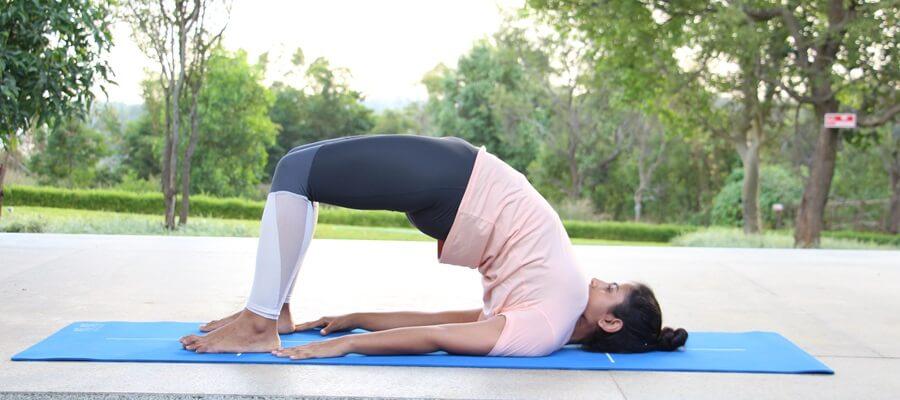
7. Bridge Pose (Setu Bandhasana)
Benefits
Strengthens the back
Opens the chest
Improves flexibility
Supports core muscles
How to Do It
Lie on your back.
Bend your knees.
Lift your hips upward.
Hold for a few breaths.
8. Seated Forward Bend (Paschimottanasana)
Benefits
Stretches hamstrings
Improves flexibility
Calms the mind
Supports digestion
How to Do It
Sit with legs extended.
Reach toward your feet.
Keep your back straight.
Breathe deeply.
9. Warrior I (Virabhadrasana I)
Benefits
Strengthens legs
Builds endurance
Improves stability
Increases confidence
How to Do It
Step one foot forward.
Bend the front knee.
Raise arms overhead.
Keep your gaze forward.
10. Corpse Pose (Savasana)
Benefits
Relaxes the body
Reduces stress
Improves mindfulness
Promotes recovery
How to Do It
Lie flat on your back.
Relax your arms and legs.
Close your eyes.
Focus on your breathing.
Tips for Beginners
Practice Consistently
Even 10–15 minutes daily can produce excellent results.
Focus on Breathing
Proper breathing improves concentration and relaxation.
Don’t Compare Yourself
Everyone progresses at a different pace.
Listen to Your Body
Avoid forcing poses that feel uncomfortable.
Use a Yoga Mat
A yoga mat provides stability and comfort during practice.
Conclusion
Starting yoga doesn’t have to be difficult. These 10 easy yoga poses for beginners provide a strong foundation for building flexibility, strength, balance, and mental wellness. Whether your goal is stress relief, fitness, weight management, or overall health, practicing these poses regularly can help you develop a sustainable and rewarding yoga routine.
Begin slowly, stay consistent, and enjoy every step of your yoga journey.
Beginner’s Guide to Yoga: How to Start Your Yoga Journey
Yoga is one of the most effective ways to improve your physical health, mental well-being, and overall lifestyle. Whether your goal is weight loss, stress relief, better flexibility, or improved fitness, yoga offers a holistic approach to achieving a healthier and more balanced life.
If you’re new to yoga, you may wonder where to begin. This beginner yoga guide will help you understand the basics of yoga, its benefits, and how to start your yoga journey with confidence.
What Is Yoga?
Yoga is an ancient practice that combines physical postures (asanas), breathing techniques (pranayama), and meditation to promote harmony between the mind and body. Today, millions of people worldwide practice yoga to enhance their health, reduce stress, and maintain an active lifestyle.
Yoga is suitable for people of all ages and fitness levels. You don’t need to be flexible or experienced to start practicing yoga.
Why Is Yoga So Popular in 2026?
With increasing awareness of mental health, work-life balance, and holistic wellness, yoga has become one of the fastest-growing fitness trends worldwide.
Trending Reasons People Start Yoga:
✔ Stress and anxiety management ✔ Weight loss and fitness improvement ✔ Better flexibility and mobility ✔ Improved posture and body balance ✔ Enhanced focus and productivity ✔ Better sleep quality ✔ Stronger immunity and overall health
Yoga requires minimal equipment and can be practiced anywhere, making it a convenient choice for beginners.
Benefits of Yoga for Beginners
1. Improves Flexibility
One of the first benefits beginners notice is improved flexibility. Regular yoga practice gradually loosens tight muscles and increases joint mobility.
2. Builds Strength
Many yoga poses engage multiple muscle groups simultaneously, helping build functional strength without heavy gym equipment.
3. Reduces Stress
Yoga incorporates mindful breathing and meditation techniques that help calm the nervous system and reduce stress levels.
4. Enhances Mental Clarity
Regular yoga practice improves concentration, focus, and emotional balance, helping you stay productive throughout the day.
5. Supports Weight Management
Yoga encourages mindful living and improves metabolism, making it a valuable tool for maintaining a healthy weight.
6. Improves Posture
Modern lifestyles often involve long hours of sitting. Yoga helps correct posture and reduces neck, shoulder, and back discomfort.
How to Start Your Yoga Journey
Starting yoga doesn’t have to be complicated. Follow these simple steps:
Choose Your Goal
Determine why you want to practice yoga.
Common goals include:
Weight loss
Stress relief
Better flexibility
Improved fitness
Mental wellness
Better sleep
Knowing your goal will help you select the right yoga routine.
Create a Comfortable Space
You don’t need a large studio to practice yoga. A clean, quiet area with enough room to move comfortably is sufficient.
Basic requirements:
Yoga mat
Comfortable clothing
Water bottle
Positive mindset
Start with Beginner-Friendly Yoga Poses
Focus on simple yoga poses before attempting advanced movements.
Mountain Pose (Tadasana)
Benefits:
Improves posture
Enhances balance
Strengthens legs
Child’s Pose (Balasana)
Benefits:
Relieves stress
Stretches hips and lower back
Promotes relaxation
Cat-Cow Stretch
Benefits:
Improves spinal flexibility
Reduces back stiffness
Enhances mobility
Downward-Facing Dog
Benefits:
Strengthens arms and legs
Improves flexibility
Increases blood circulation
Cobra Pose (Bhujangasana)
Benefits:
Strengthens the spine
Opens the chest
Improves posture
Beginner Daily Yoga Routine
A simple 15-minute yoga routine can help you build consistency.
5 Minutes Warm-Up
Neck rolls
Shoulder rotations
Gentle stretches
5 Minutes Yoga Poses
Mountain Pose
Cat-Cow Stretch
Downward Dog
Cobra Pose
5 Minutes Relaxation
Deep breathing
Meditation
Child’s Pose
Practicing daily is more important than practicing for long hours.
Best Time to Practice Yoga
Morning Yoga
Benefits:
Boosts energy
Enhances focus
Improves metabolism
Evening Yoga
Benefits:
Reduces stress
Relaxes muscles
Promotes better sleep
Choose a time that fits your schedule and allows consistency.
Common Mistakes Beginners Should Avoid
Comparing Yourself to Others
Yoga is a personal journey. Progress at your own pace.
Skipping Warm-Ups
Always prepare your body before performing yoga poses.
Holding Your Breath
Breathing is an essential part of yoga practice.
Pushing Too Hard
Listen to your body and avoid forcing difficult poses.
Inconsistent Practice
Consistency delivers better results than occasional intense sessions.
Yoga and Mental Wellness
Yoga is not just physical exercise. It is also a powerful tool for mental health.
Regular yoga practice helps:
Reduce anxiety
Improve emotional balance
Increase mindfulness
Enhance self-awareness
Promote inner peace
Even a few minutes of daily yoga can significantly improve your mood and mental clarity.
How Long Does It Take to See Results from Yoga?
Results vary depending on consistency and goals.
Generally:
1–2 weeks: Better relaxation and reduced stress
3–4 weeks: Improved flexibility and mobility
6–8 weeks: Increased strength and endurance
2–3 months: Noticeable improvements in overall health and wellness
The key is regular practice and patience.
Tips for Staying Consistent with Yoga
Set realistic goals
Follow a daily yoga schedule
Practice at the same time each day
Track your progress
Join a yoga community
Celebrate small achievements
Building a habit is more important than achieving perfection.
Conclusion
Starting yoga is one of the best decisions you can make for your physical and mental well-being. Whether your goal is fitness, flexibility, weight loss, stress relief, or mindfulness, yoga provides long-term benefits that support a healthier lifestyle.
Begin with simple poses, focus on consistency, and enjoy the process. Your yoga journey is unique, and every session brings you one step closer to a stronger, healthier, and more balanced version of yourself.
Start your yoga journey today and experience the life-changing benefits of daily yoga practice.
Start Your Yoga Journey
Discover simple yoga practices, wellness tips, and mindful routines to feel healthier and more relaxed every day.