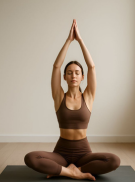
Starting yoga can feel confusing when you see advanced poses and complicated routines online. The good news is that yoga for beginners does not need to be difficult. You can begin with simple poses, focus on your breathing, and gradually become more comfortable with your practice.
Yoga combines physical movement, breathing, and mindful awareness. A beginner-friendly routine can help you improve body awareness, mobility, balance, and relaxation. You don’t need to be flexible or experienced to begin.
In this guide, we’ll explore 10 easy yoga poses for beginners that you can practice at home. These poses are simple to learn and can become part of a regular yoga routine.
Note: Yoga should feel comfortable and controlled. Avoid forcing a pose or working through sharp pain. If you have an injury or medical concern, consider speaking with a qualified healthcare professional before starting a new exercise routine.
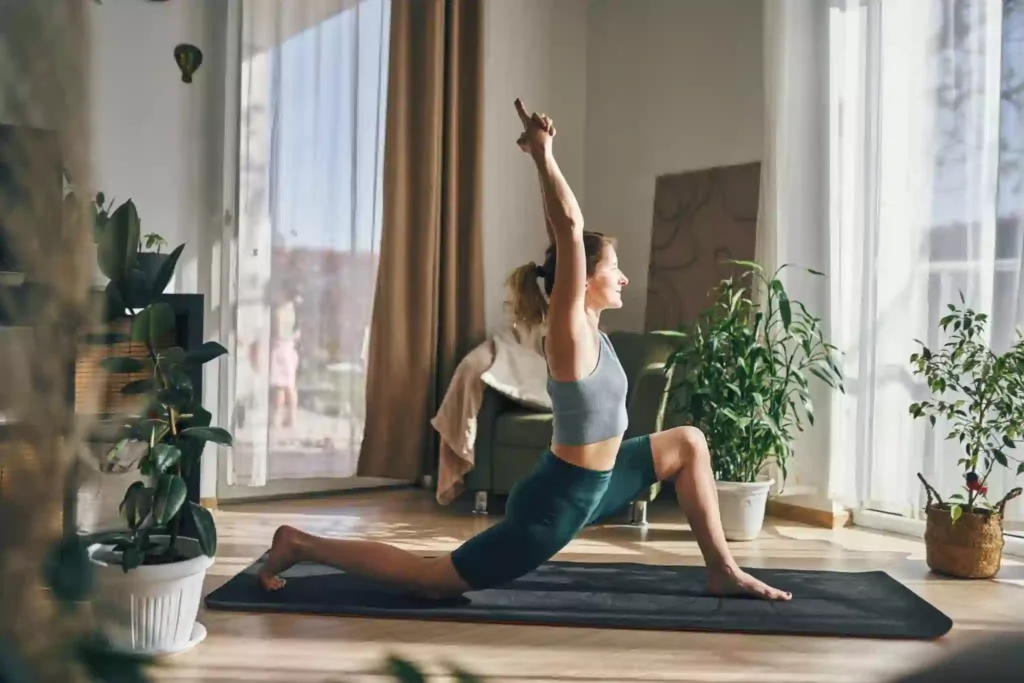
Why Start Yoga as a Beginner?
One of the biggest benefits of starting with beginner-friendly yoga is that you can learn the basic movements before progressing to more challenging poses.
A simple yoga practice can help you become more aware of your posture, breathing, balance, and movement. Regular practice may also support flexibility and relaxation.
The key is consistency rather than perfection. Even a short routine can give you an opportunity to slow down and focus on your body.
If you’re completely new to yoga, start slowly and learn the basic alignment of each pose.
10 Easy Yoga Poses for Beginners
Here are 10 simple poses you can include in a yoga for beginners routine.
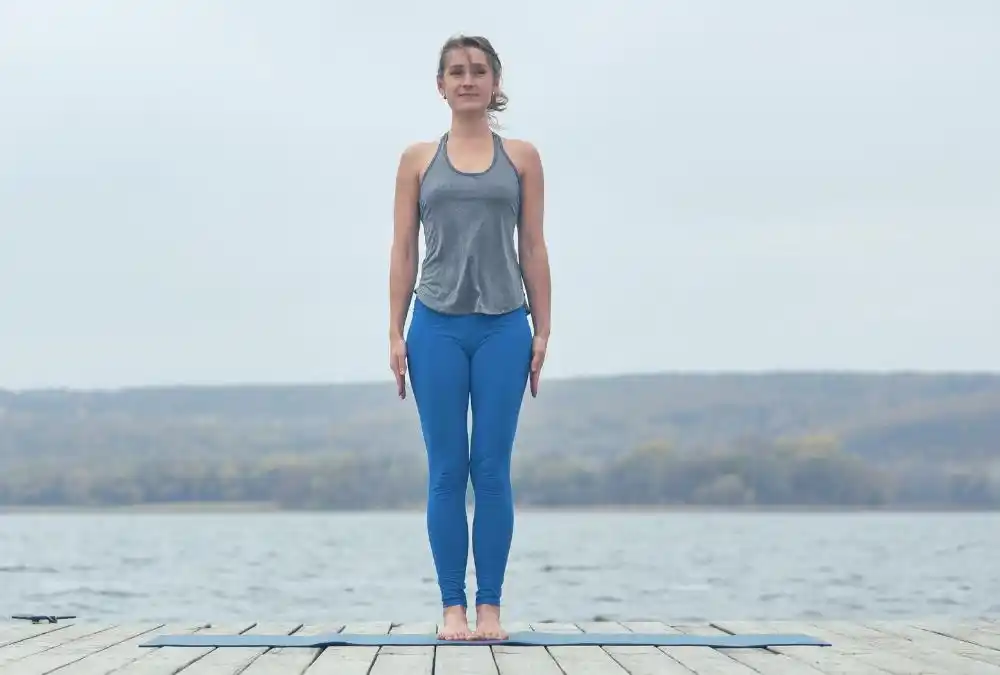
1. Mountain Pose (Tadasana)
Mountain Pose is one of the simplest standing yoga poses and a useful starting position for beginners.
How to do it:
Stand with your feet comfortably positioned on the floor. Keep your spine tall and allow your shoulders to relax. Let your arms rest naturally beside your body.
Take slow, comfortable breaths and focus on standing evenly through both feet.
Beginner Tip
Don’t worry about making your posture perfectly straight. Focus on feeling stable and relaxed.
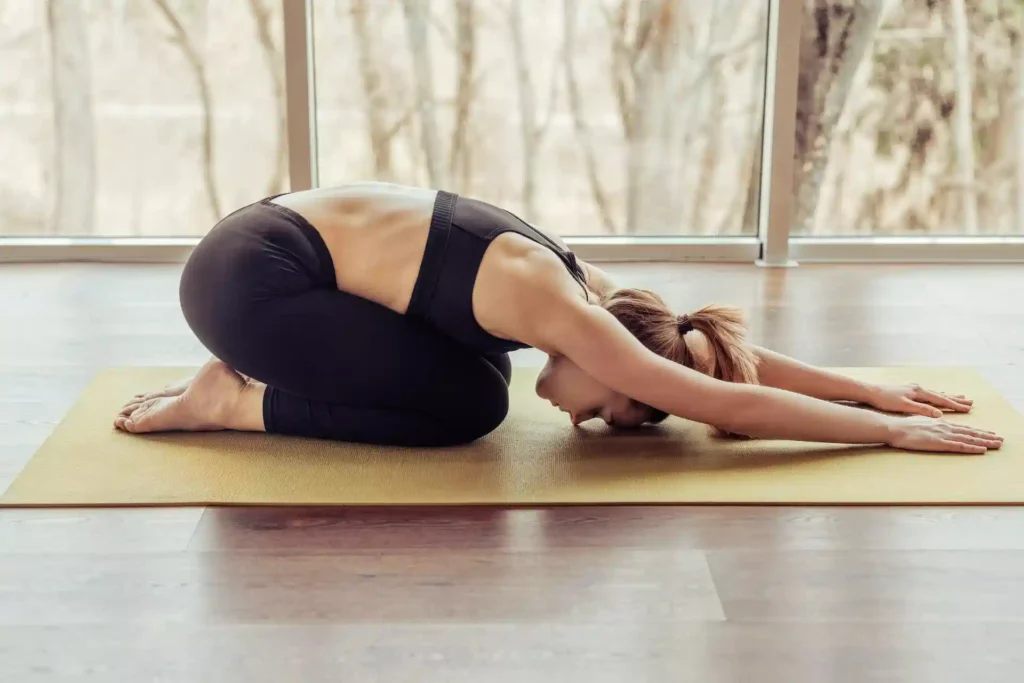
2. Child’s Pose (Balasana)
Child’s Pose is a gentle resting posture that can be included between more active movements.
How to do it:
Start on your hands and knees. Slowly move your hips back toward your heels and lower your upper body toward the floor.
You can extend your arms forward or allow them to rest beside your body.
Breathe slowly and stay in a comfortable position.
Beginner Tip
If your hips don’t comfortably reach your heels, place a cushion or folded blanket underneath you for additional support.
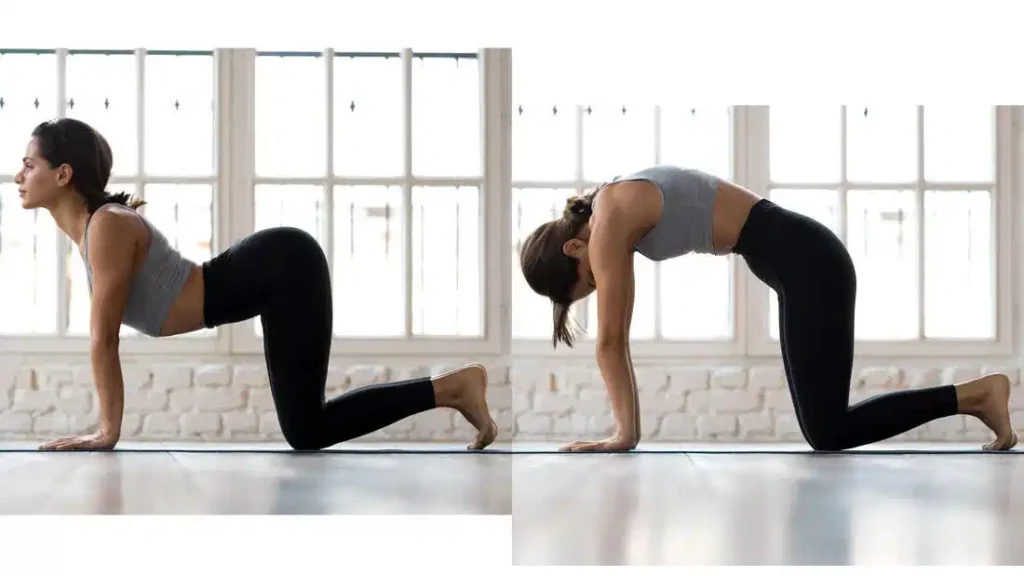
3. Cat-Cow Pose (Marjaryasana-Bitilasana)
Cat-Cow is a gentle movement that helps beginners coordinate movement with breathing.
How to do it:
Start on your hands and knees with your hands underneath your shoulders and knees underneath your hips.
As you inhale, gently lift your chest and tailbone.
As you exhale, gently round your spine and bring your chin slightly toward your chest.
Continue moving slowly with your breath.
Beginner Tip
Keep the movement comfortable and avoid forcing your spine into a deep position.
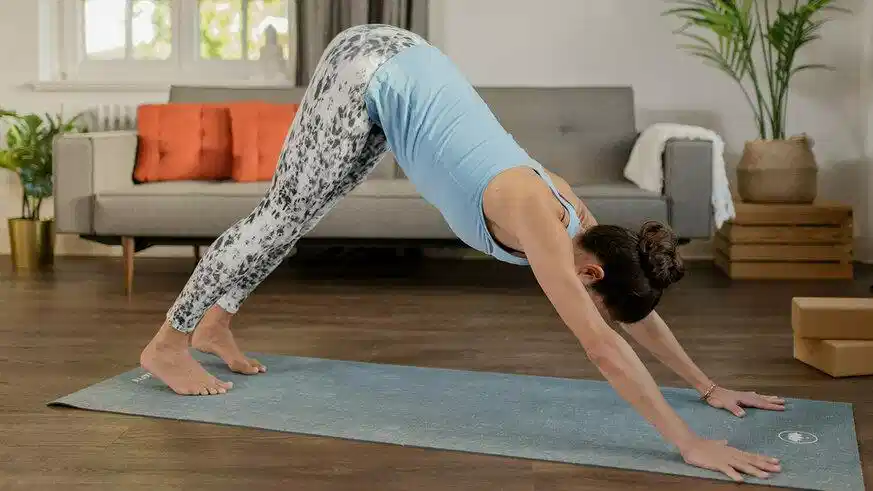
4. Downward-Facing Dog (Adho Mukha Svanasana)
Downward-Facing Dog is a common yoga pose that can be introduced to beginners with modifications.
How to do it:
Begin on your hands and knees. Place your hands firmly on the floor and lift your hips upward.
Keep your knees slightly bent if needed. Allow your head and neck to stay relaxed while you focus on creating a comfortable length through your spine.
Beginner Tip
Your heels do not need to touch the floor. A slight bend in your knees is completely fine.
5. Cobra Pose (Bhujangasana)
Cobra Pose is a gentle backbend that can be practiced with a small range of movement.
How to do it:
Lie on your stomach with your hands near your shoulders.
Press gently into the floor and lift your chest slightly. Keep your elbows close to your body and avoid pushing yourself into a deep backbend.
Beginner Tip
Keep the lift low and comfortable. The goal is controlled movement rather than lifting as high as possible.
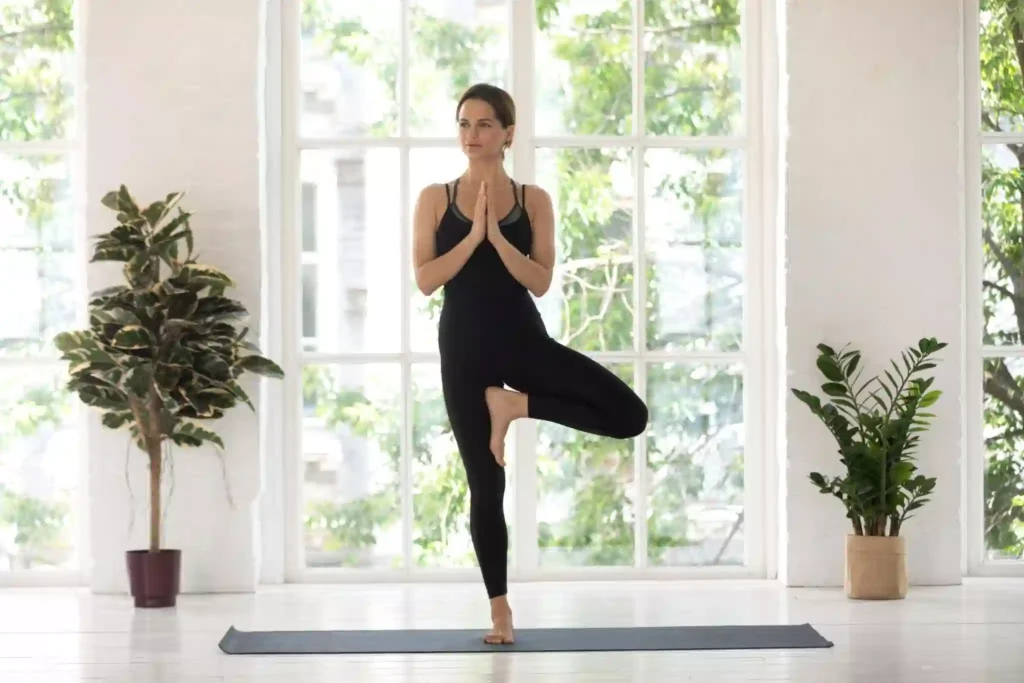
6. Tree Pose (Vrikshasana)
Tree Pose introduces beginners to balance and concentration.
How to do it:
Stand tall and shift your weight onto one foot.
Place the sole of your other foot against your inner calf or thigh, depending on what feels comfortable. Avoid placing your foot directly against your knee.
Bring your hands together or keep them by your sides.
Beginner Tip
If balancing is difficult, keep one hand against a wall or chair for support.
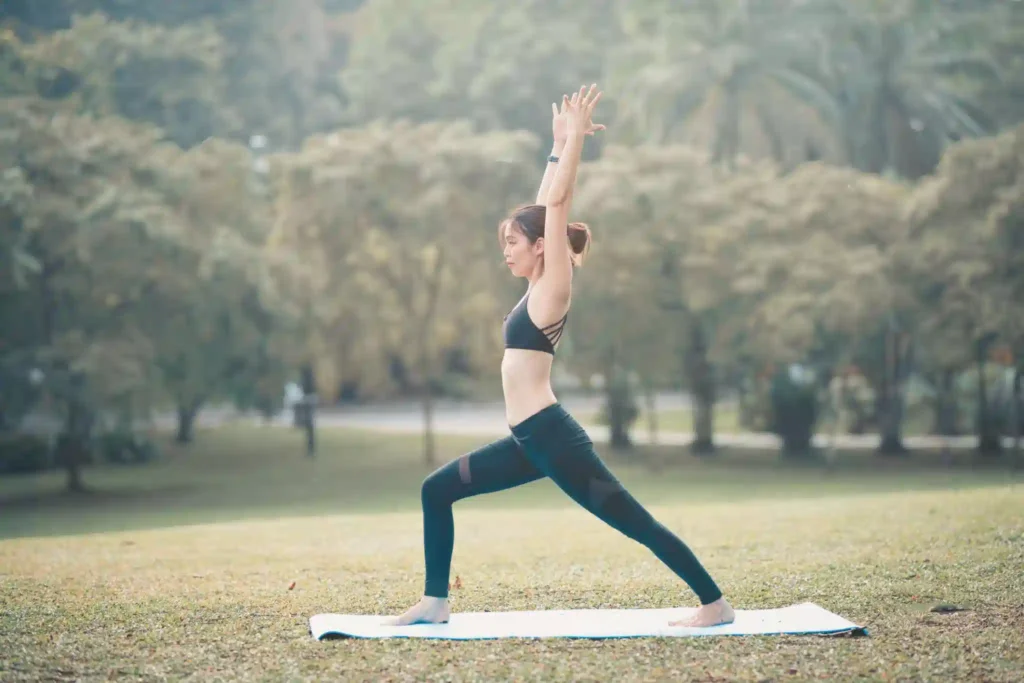
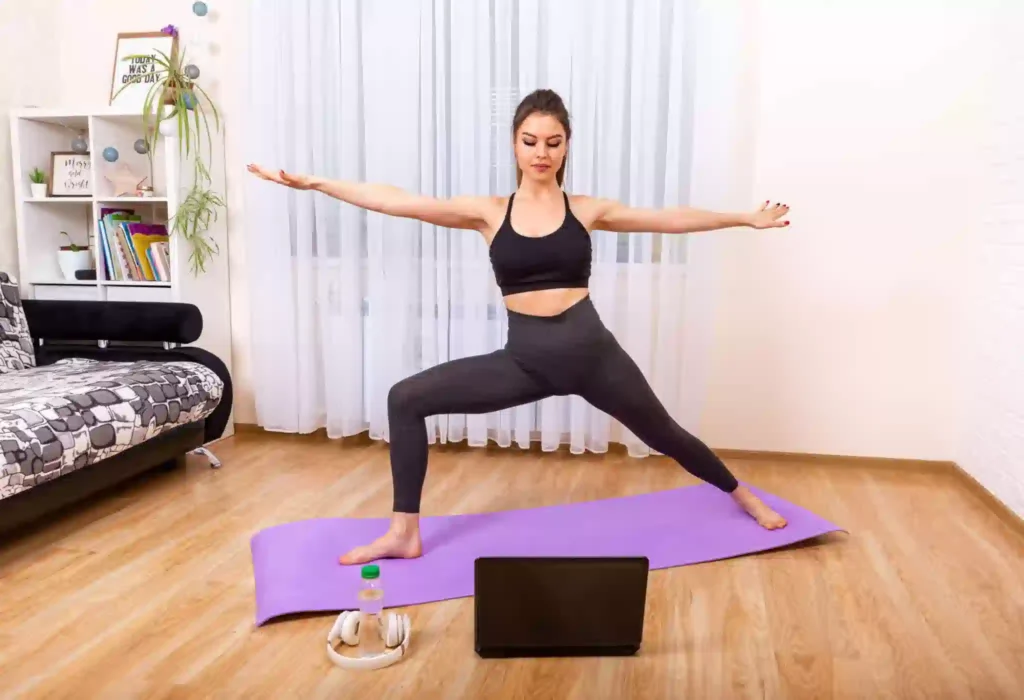
7. Warrior I (Virabhadrasana I)
Warrior I is a standing pose that works on strength, stability, and body awareness.
How to do it:
Step one foot forward and extend the other leg behind you.
Bend your front knee comfortably while keeping your back leg stable. Turn your back foot slightly outward and lift your arms overhead if comfortable.
Keep your shoulders relaxed and breathe steadily.
Beginner Tip
Don’t worry about creating a perfect 90-degree bend in your front knee. Use a smaller bend while you’re learning.
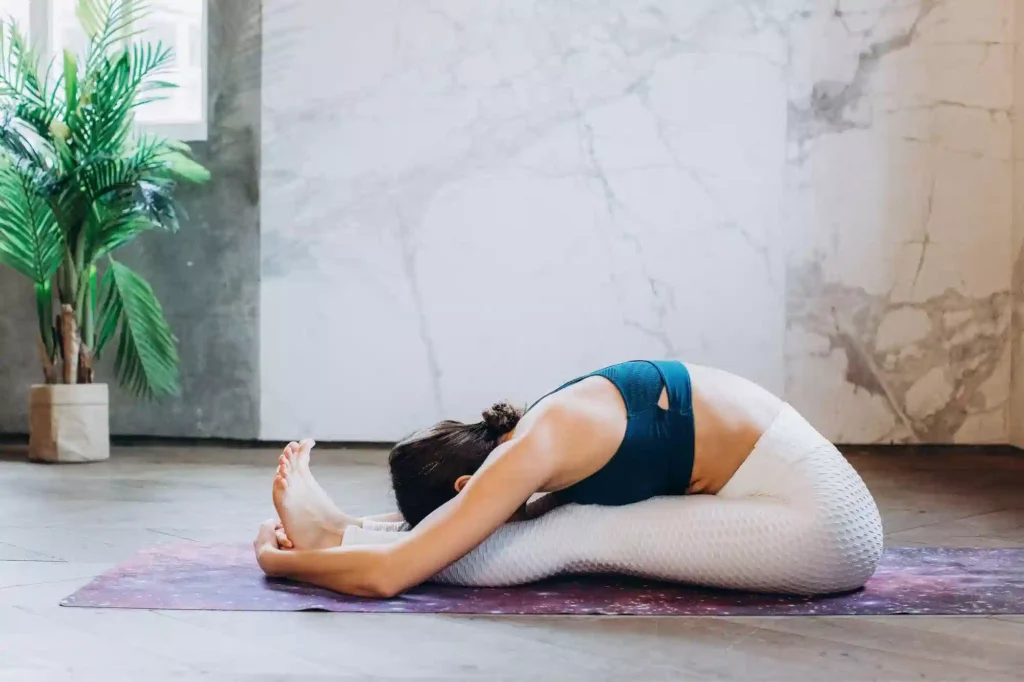
8. Seated Forward Fold (Paschimottanasana)
Seated Forward Fold is commonly used in yoga routines focused on gentle stretching.
How to do it:
Sit with your legs extended forward.
Keep your spine long and slowly lean forward from your hips. Reach toward your legs, ankles, or feet depending on your flexibility.
Beginner Tip
Keep your knees slightly bent if needed. Never force yourself to reach your toes.
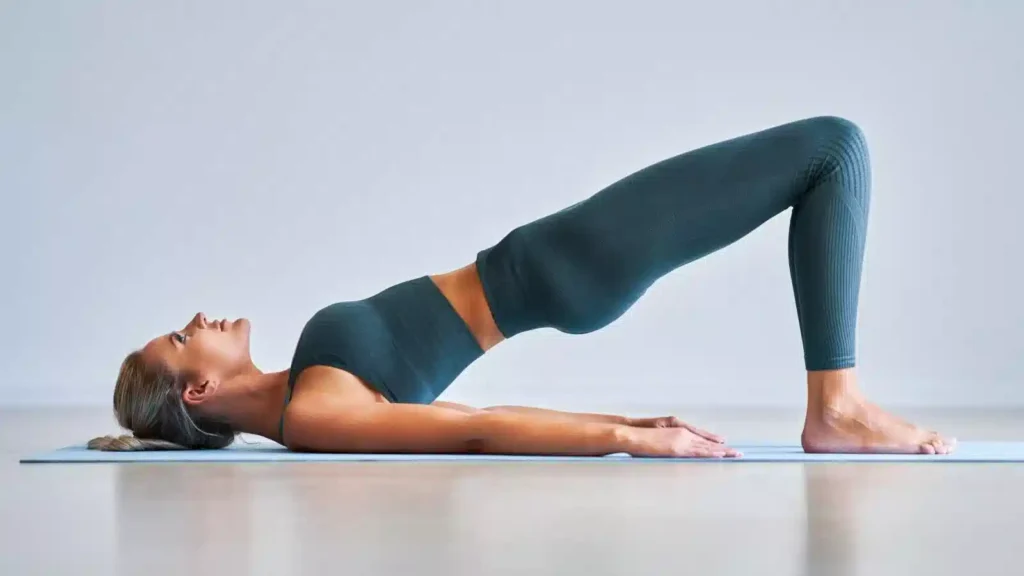
9. Bridge Pose (Setu Bandhasana)
Bridge Pose is a beginner-friendly pose that can introduce you to controlled hip and spine movement.
How to do it:
Lie on your back with your knees bent and feet resting on the floor.
Keep your arms beside your body. Press your feet gently into the floor and lift your hips.
Pause for a few breaths before slowly lowering your hips.
Beginner Tip
Keep your movement controlled and avoid pushing your hips higher than feels comfortable.
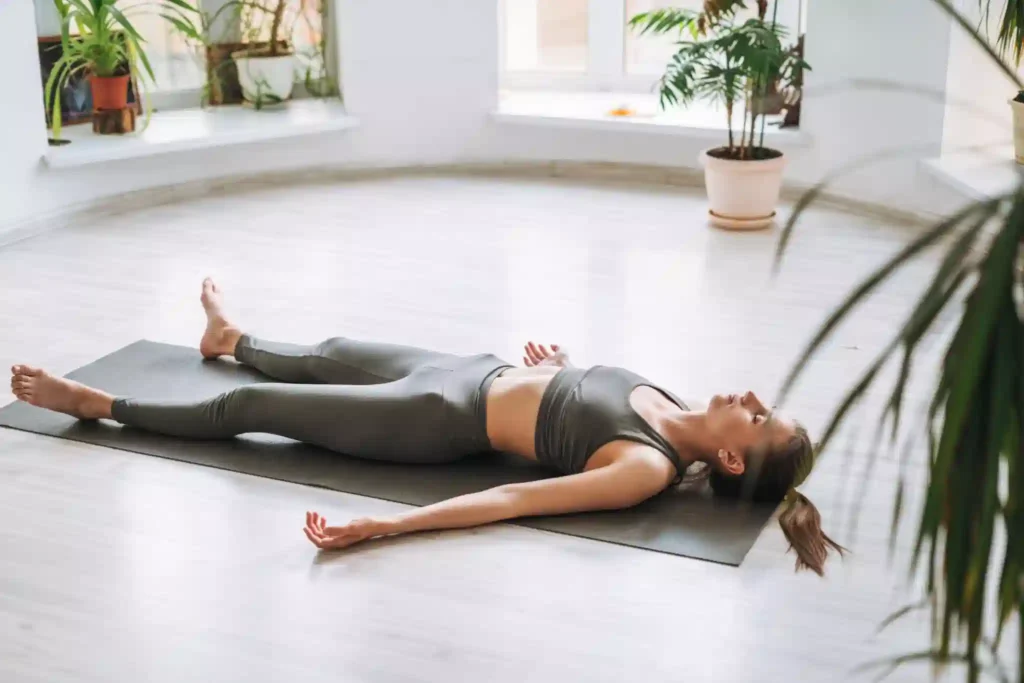
10. Corpse Pose (Savasana)
Savasana is traditionally practiced at the end of a yoga session and gives your body an opportunity to rest.
How to do it:
Lie comfortably on your back with your legs relaxed and arms resting beside you.
Close your eyes if comfortable and breathe naturally.
Allow your body to become still while keeping your attention on your breathing.
Beginner Tip
Stay in Savasana for a few minutes rather than rushing to finish your practice.
Simple Yoga Routine for Beginners
You don’t need a long workout to start practicing yoga.
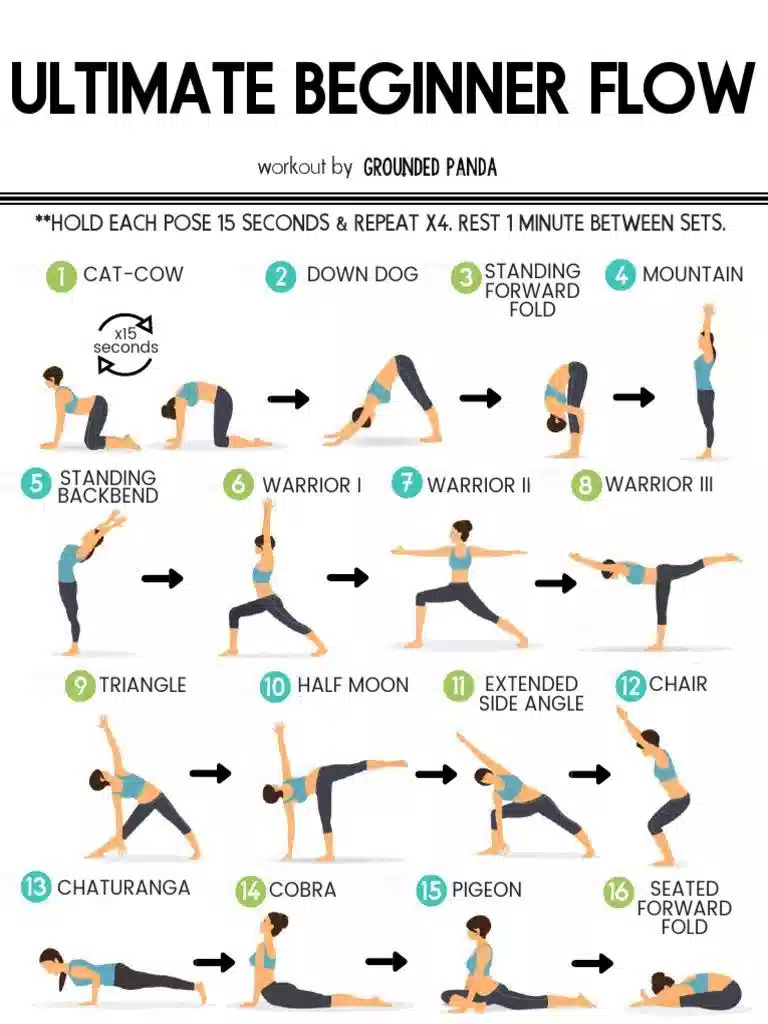
Try this simple sequence:
Mountain Pose → Cat-Cow → Downward-Facing Dog → Child’s Pose → Cobra Pose → Warrior I → Tree Pose → Bridge Pose → Seated Forward Fold → Savasana
You can spend around 30–60 seconds on each pose and take additional rest whenever you need it.
The goal is to create a routine that feels manageable enough to repeat regularly.
How Often Should Beginners Practice Yoga?
If you’re starting yoga for the first time, consistency is more important than trying to practice for a long time.
You might begin with a short session a few times per week and gradually increase your practice as you become more comfortable.
A 10-minute yoga routine for beginners can be a practical starting point, especially if you have a busy schedule.
Over time, you can explore different styles of yoga and build a routine that fits your goals and lifestyle.
Tips for Starting Yoga at Home
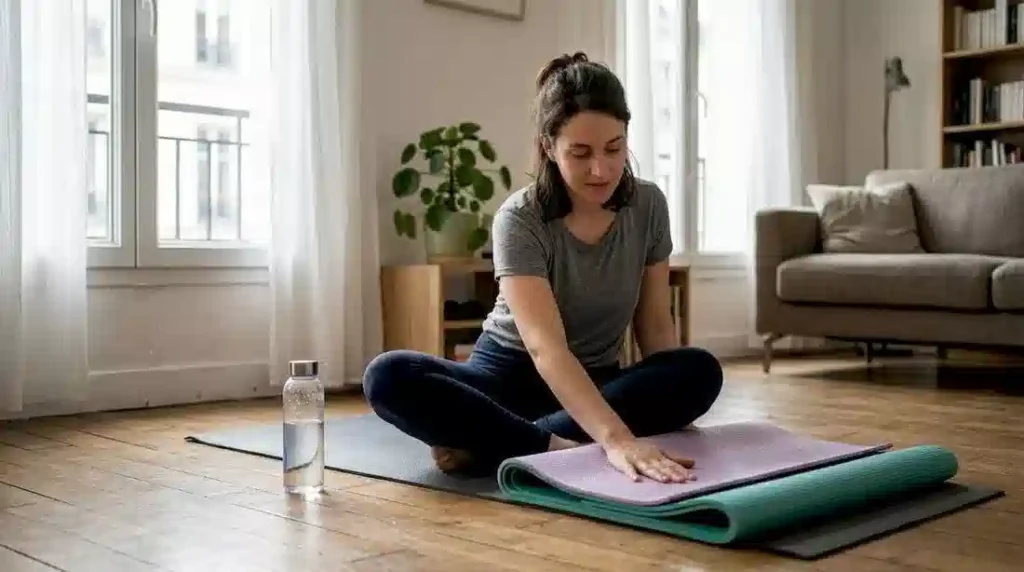
Practicing yoga at home can be simple. You don’t need a large space or expensive equipment.
1. Start Slowly
Learn the basic positions before trying advanced yoga poses.
2. Focus on Breathing
Try to keep your breathing slow and comfortable during your practice.
3. Don’t Compare Yourself
Everyone’s flexibility, balance, and mobility are different. Focus on your own progress.
4. Use Support
A yoga mat, cushion, wall, or yoga strap can make certain poses more comfortable.
5. Listen to Your Body
Mild stretching can be normal, but sharp or sudden pain is a reason to stop and reassess the movement.
Common Mistakes Beginners Should Avoid
When beginning yoga, it’s easy to focus too much on getting the pose “perfect.”
Some common mistakes include:
- Trying advanced poses too soon
- Holding your breath
- Forcing flexibility
- Ignoring discomfort
- Comparing your practice with experienced yogis
- Practicing without learning basic alignment
- Trying to do too much too quickly
Remember that yoga is a practice. Your ability and comfort can develop gradually.
Frequently Asked Questions About Yoga for Beginners
Is yoga good for beginners?
Yes. Yoga can be adapted for different experience levels. Beginners can start with simple poses and gradually learn more movements as they become comfortable.
How long should beginners do yoga?
A short session of around 10–20 minutes can be a practical starting point. You can gradually increase the duration depending on your comfort and schedule.
Can I do yoga at home?
Yes. Many beginner yoga poses can be practiced at home with enough space to move safely. A yoga mat can provide a comfortable surface.
What should I wear for yoga?
Choose comfortable clothing that allows you to move freely. You don’t need special clothing to start practicing yoga.
Can beginners do yoga every day?
Some people choose to practice yoga daily, while others practice a few times per week. Your routine should allow enough recovery and feel comfortable for your body.
What is the easiest yoga pose for beginners?
Mountain Pose and Child’s Pose are simple positions to learn. However, the easiest pose can vary depending on your mobility and experience.
Final Thoughts
Starting yoga doesn’t require perfect flexibility, complicated poses, or years of experience. With these 10 easy yoga poses for beginners, you can start learning the foundations of a simple yoga practice.
Begin slowly, pay attention to your breathing, and focus on comfortable movement. As you become more familiar with the basics, you can explore longer routines and different styles of yoga.
The best place to start is simply where you are.