
One of the most common questions new yoga practitioners ask is: “How long should beginners practice yoga daily?” The good news is that you don’t need to spend hours on a yoga mat to experience the benefits. Even a short daily yoga practice can improve flexibility, reduce stress, increase strength, and enhance overall well-being.
For beginners, consistency is far more important than duration. Starting with manageable sessions allows your body and mind to adapt while helping you build a sustainable yoga habit.
In this guide, we’ll explore the ideal yoga duration for beginners, the benefits of daily practice, and tips to create a routine that fits your lifestyle.

Why Daily Yoga Matters
Yoga is not just about physical exercise; it’s a holistic practice that benefits both the body and mind. Practicing yoga regularly helps improve posture, balance, concentration, breathing, and emotional wellness.

Benefits of Daily Yoga Practice
✔ Improves flexibility and mobility
✔ Builds strength and endurance
✔ Reduces stress and anxiety
✔ Improves posture and balance
✔ Boosts energy levels
✔ Enhances focus and concentration
✔ Promotes better sleep
✔ Supports healthy weight management
The key to experiencing these benefits is consistency rather than intensity.
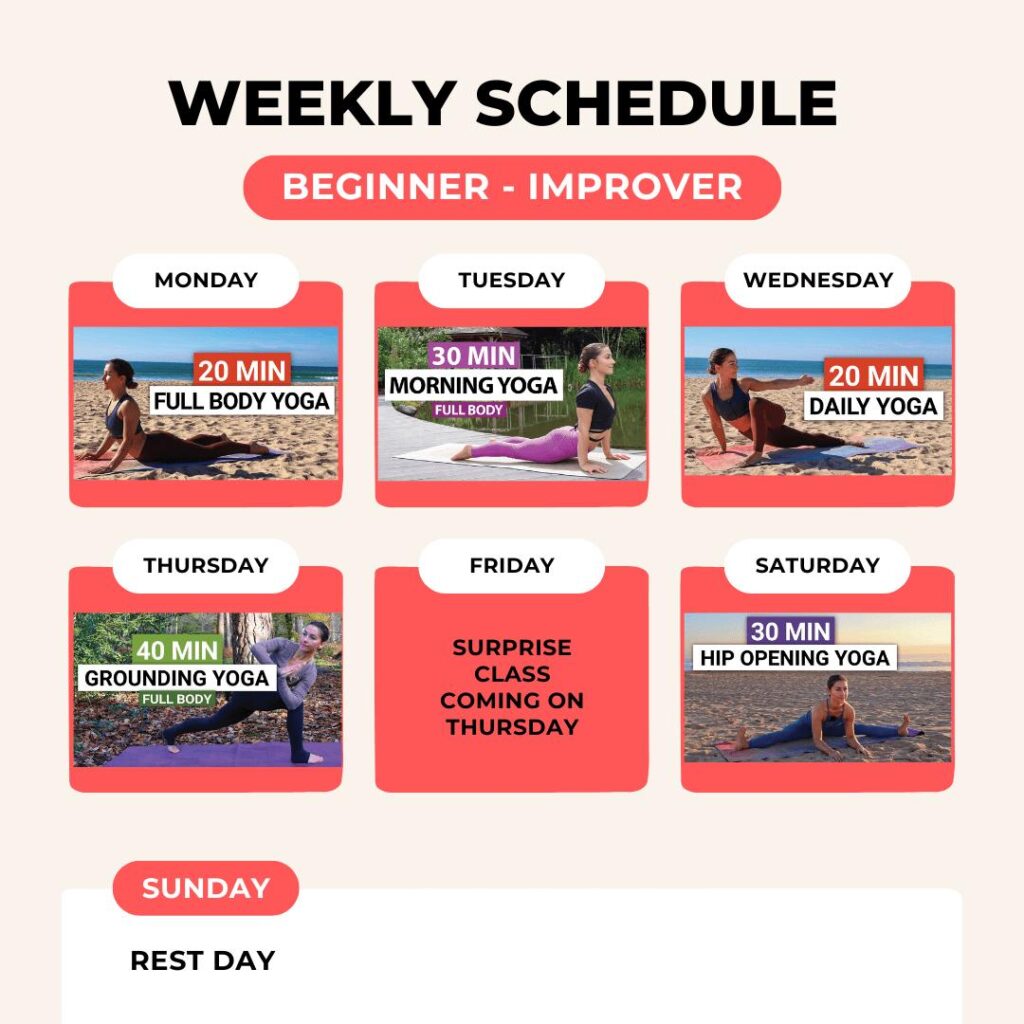
Ideal Yoga Duration for Beginners
Week 1–2: Start with 10–15 Minutes Daily
If you’re completely new to yoga, begin with short sessions of 10–15 minutes per day.
This allows your body to:
- Learn basic yoga poses
- Improve breathing awareness
- Develop flexibility gradually
- Prevent muscle soreness
A short session is easier to maintain and helps create a daily habit.
Week 3–4: Increase to 20–30 Minutes Daily
Once you’re comfortable with basic poses, gradually extend your practice.
A 20–30 minute yoga routine allows you to include:
- Warm-up exercises
- Multiple yoga poses
- Breathing techniques
- Relaxation or meditation
This duration is ideal for most beginners looking to improve overall fitness and wellness.
After 1–2 Months: 30–45 Minutes Daily
As your strength and flexibility improve, you can increase your practice time.
Benefits of longer sessions include:
- Better endurance
- Greater flexibility gains
- Improved muscle strength
- Enhanced mindfulness
However, longer sessions are optional. Many people achieve excellent results with just 20–30 minutes of daily yoga.
Is 10 Minutes of Yoga Enough?
Absolutely.
Even a 10-minute yoga session can provide significant benefits when practiced consistently.
What You Can Achieve with 10 Minutes Daily
- Reduced stress
- Improved mood
- Better posture
- Increased mobility
- Enhanced focus
For busy professionals, students, and beginners, a short daily routine is often more effective than occasional long workouts.
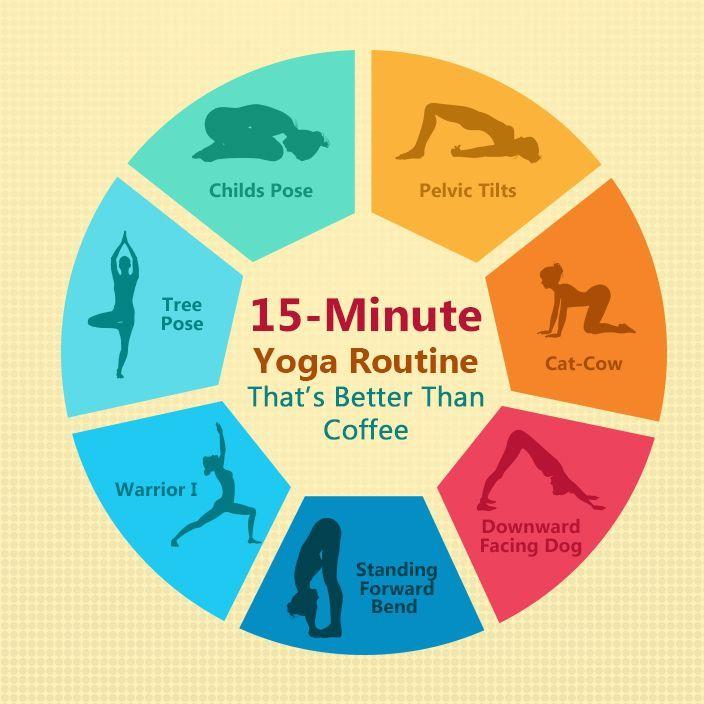
Sample 15-Minute Beginner Yoga Routine
2 Minutes – Deep Breathing
Focus on slow inhalations and exhalations to calm your mind.
2 Minutes – Mountain Pose (Tadasana)
Improves posture and body awareness.
2 Minutes – Cat-Cow Stretch
Enhances spinal flexibility and mobility.
2 Minutes – Downward Facing Dog
Strengthens the upper and lower body.
2 Minutes – Cobra Pose
Opens the chest and strengthens the back.
2 Minutes – Child’s Pose
Promotes relaxation and recovery.
3 Minutes – Meditation or Savasana
Allows the body and mind to fully relax.

Morning Yoga vs Evening Yoga
Morning Yoga Benefits
- Increases energy levels
- Improves concentration
- Boosts metabolism
- Creates a positive start to the day
Evening Yoga Benefits
- Reduces stress from the day
- Relaxes muscles
- Improves sleep quality
- Helps calm the mind
The best time to practice yoga is the time you can maintain consistently.
Signs You’re Practicing the Right Amount of Yoga
You are likely following a healthy yoga schedule if:
✔ You feel energized after practice
✔ Your body feels flexible but not exhausted
✔ You enjoy your sessions
✔ You look forward to practicing regularly
✔ You’re making gradual progress
Yoga should leave you feeling refreshed rather than drained.
Common Mistakes Beginners Make
Practicing Too Long Too Soon
Many beginners try advanced or lengthy sessions immediately, leading to fatigue and discomfort.
Ignoring Rest
Your body needs time to recover and adapt.
Focusing Only on Physical Poses
Breathing and mindfulness are essential parts of yoga.
Comparing Progress
Everyone’s yoga journey is different. Focus on your own growth.
Tips for Building a Daily Yoga Habit
Set a Fixed Schedule
Choose the same time every day to practice.
Start Small
Begin with 10–15 minutes and gradually increase.
Create a Comfortable Space
A quiet area can help improve focus and consistency.
Track Your Progress
Recording your sessions can keep you motivated.
Be Patient
Yoga is a lifelong journey, not a race.
How Many Days a Week Should Beginners Do Yoga?
For best results, beginners should aim for:
- 3–5 days per week to build consistency
- Daily practice if sessions are short and gentle
Even practicing a few times a week can lead to noticeable improvements in flexibility, strength, and mental wellness.
Frequently Asked Questions
Can Beginners Practice Yoga Every Day?
Yes. Gentle yoga can be practiced daily and is an excellent way to build healthy habits.
Is 15 Minutes of Yoga Enough for Beginners?
Yes. A consistent 15-minute practice can improve flexibility, reduce stress, and increase strength over time.
How Soon Will I See Results from Yoga?
Many beginners notice reduced stress and improved relaxation within 1–2 weeks. Physical improvements such as flexibility and strength often become noticeable within 4–8 weeks.
Should Beginners Take Rest Days?
Yes. Listen to your body and take rest days when needed, especially after more challenging sessions.
Conclusion
So, how long should beginners practice yoga daily? The ideal starting point is 10–15 minutes per day, gradually increasing to 20–30 minutes as your confidence and fitness improve. Consistency matters much more than long sessions, especially when you’re just starting out.
Whether you practice for 10 minutes or 30 minutes, regular yoga can transform your physical health, mental well-being, and overall quality of life. Start small, stay committed, and enjoy the journey toward a healthier and more balanced lifestyle.